Note: This policy is subject to change at any time. Please check all NZH Policies on a regular basis for updates
Document Overview:
This document sets out the definition and procedures for New Zealand Homestay Network (NZH), 24/7 provider, NZH Account Managers, staff and consultants to follow in the event of a critical incident involving a Guest or Guests placed in Homestay by NZH.
The role of NZH regarding critical incident management is to provide support to aid Education Providers and Homestay Hosts in compliance matters.

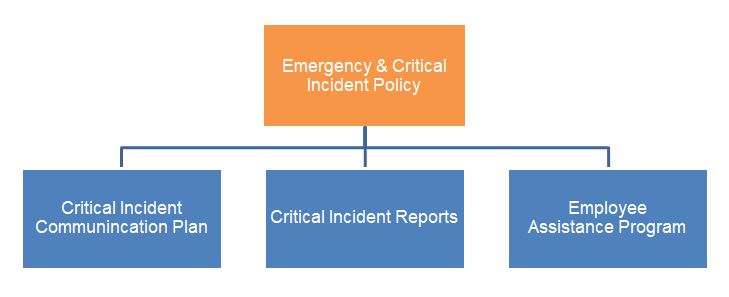 This will:
Management of emergencies and critical incidents will involve consideration of:
NZH takes responsibility for the management of emergencies and critical incidents. The intention is to minimise trauma and distress to Guests and Hosts and damage to property and to ensure the relevant stakeholders are informed and involved in the management of critical incidents.
The clinical definition of an “Emergency” is defined as a serious, unexpected, and often dangerous situation requiring immediate action. The event is disruptive to the placement and requires intervention but does not classify as a “Critical Incident”.
Some examples of emergencies to which the NZH community may have to respond include:
The clinical definition of a “critical incident” is defined as an event that causes individuals to experience a strong emotional reaction that interferes with their usual coping skills. The event has a level of trauma that is beyond the normal everyday experiences of those affected. Those affected can be the Guest/s or staff assisting the Guest/s, the Guest/s family and friends and their Host.
Some examples of critical incidents to which the NZH community may have to respond include:
NZH provides Homestay Management Services for Education Providers who are required to have their own critical incident management policy in place, as per the Education (Pastoral Care of Tertiary and International Learners) Code of Practice 2021 (The Code). Our role is one of a communication conduit. It is the responsibility of the Education Provider to determine the appropriate course of action for each critical incident as per their own critical incident management plan.
The following displays the usual levels of “Duty of Care” over all Guests whilst in country on a student visa:

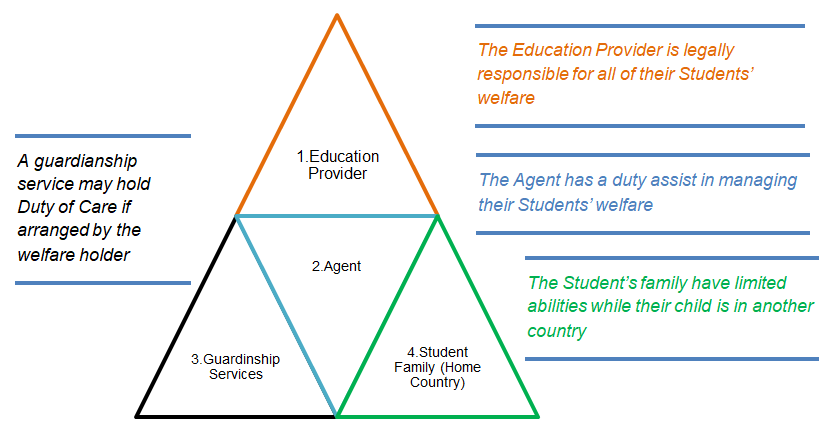
In cases of critical incident, the “Emergency and Critical Incident Procedure” must be engaged.
The following communication flow is to be used as a guide for appropriate communication channels:

Critical Incidents must be escalated to NZH management staff where the incident has occurred, without exception.
It is not the responsibility of NZH staff to contact the next of kin, Immigration New Zealand or the Ministry of Education. These matters will fall to the Education Provider under their duty of care responsibilities.
Keep in contact with the Guest/s Host ensuring that support and assistance is available to them and to keep them informed of the situation as it unfolds.
Conduct debriefing session for everyone directly involved in the incident. People can express their emotions about the incident and ensure that any needs are met.
Policies, procedures and the implementation of procedures and responses should be evaluated and possible changes and improvement for future critical incidents discussed and made.
Records should be kept by the 24/7 After Hours Call Centre, CEO (or a representative) throughout the whole response period. Including:
The following are possible issues that may need monitoring:
|
Tasks |
Responsible Person |
Date Completed |
| Notification of critical incident | ||
| Confirmation of Homestay Guest’s identity | ||
| Emergency services engaged as needed | ||
| After Hours Call Centre apply management process and assign tasks | ||
| NZH Manager contacts relevant Education Provider’s staff – as per Education Provider protocols | ||
| NZH Manager advises CEO in case of serious incident | ||
| Update and gather information from hospital or police – pass on to Education Provider and / or Host as necessary | ||
| All details of incident are recorded by NZH staff | ||
| Assess the need for ongoing counselling and support | ||
| Conduct debriefing session | ||
| Staff evaluation | ||
| Complete all records | ||
|
|
|
This form is to be completed by the relevant staff member following the notification of a critical incident. This document may be used by the NZH Manager to brief the education provider representative contact point if necessary.
|
Name of person completing this form: |
|
||||||||||||
|
Date: |
|
Time incident reported: |
|
||||||||||
|
Person reporting incident: |
|
||||||||||||
|
Homestay Guest’s identity: |
|
||||||||||||
|
Homestay Host: |
|
||||||||||||
|
Contact Details: |
|
||||||||||||
|
Supervisor: |
|
||||||||||||
|
Contact details: |
|
||||||||||||
|
Education provider: |
|
||||||||||||
|
Contact details: |
|
||||||||||||
|
Nature of incident: |
|
||||||||||||
|
Outline clearly what happened, where, who was involved and the current situation: |
|||||||||||||
|
|
|||||||||||||
|
|
|||||||||||||
|
|
|||||||||||||
|
Information from hospital or police (if relevant): |
|
||||||||||||
|
Name of Officer: |
|
Date: |
|
Time: |
|
||||||||
|
Contact details: |
|
Case Number: |
|
||||||||||
|
Hospital contact details: |
|
||||||||||||
|
Date: |
|
Time: |
|
||||||||||
|
Record any advice or information provided by the Education Provider |
|
||||||||||||
|
|
|||||||||||||
|
|
|||||||||||||
|
Recorded by: |
|
Date: |
|
||||||||||
|
Follow up action for Homestay Host, Supervisor or CEO: |
|
||||||||||||
|
|
|||||||||||||
|
|
|||||||||||||
|
|
|||||||||||||
Reviewed: August 2026